
Dry ice pellet production efficiency depends on more than the rated capacity of a dry ice pelletizer. Liquid CO₂ supply, operating conditions, pellet size, dry ice pellet machine performance, and maintenance all influence how much usable dry ice a machine can produce.
For businesses supplying dry ice for industrial cleaning, food transportation, or other applications, knowing these factors helps improve production consistency, reduce material losses, and select suitable equipment.

Liquid CO₂ supply and quality
Liquid carbon dioxide (CO₂) is the primary raw material for producing dry ice pellets. During operation, liquid CO₂ expands rapidly, producing a mixture of CO₂ snow and gas. The snow is then compressed into solid pellets.
An unstable liquid CO₂ supply can interrupt this process and reduce output. Insufficient supply pressure, inconsistent feeding, or unsuitable raw material conditions may affect snow formation and compression.
To maintain stable production, operators should:
- Ensure a consistent liquid CO₂ supply.
- Follow the equipment manufacturer’s requirements for supply pressure and operating conditions.
- Check the supply system for leaks or abnormalities.
- Confirm that the CO₂ source is suitable for the intended production process.
A reliable CO₂ supply provides the foundation for continuous dry ice pellet production.
Pellet size and production requirements
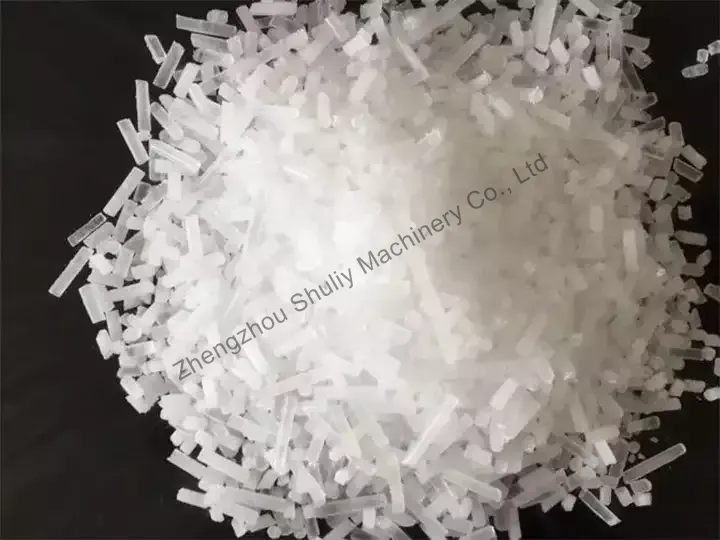
The required pellet diameter directly affects production conditions. Smaller and larger dry ice pellets may require different die configurations and operating parameters, depending on the machine design.
For example, dry ice pellets used in precision industrial cleaning may have different size requirements from other applications. Choosing an unsuitable pellet size can lead to unnecessary adjustments, inconsistent output, or reduced suitability for the intended use.
Before production, determine the target pellet diameter and confirm that the dry ice pelletizer supports it. Matching the dry ice pellet making machine configuration to the final application helps maintain a practical balance between output and product requirements.
Equipment capacity and operating conditions
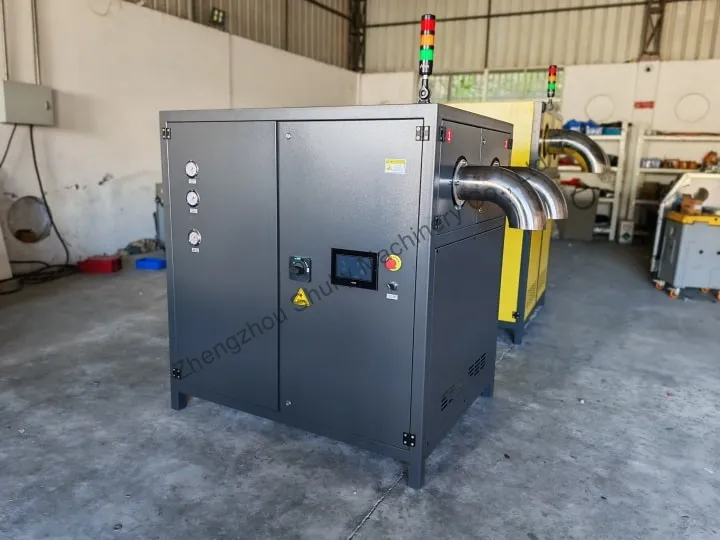
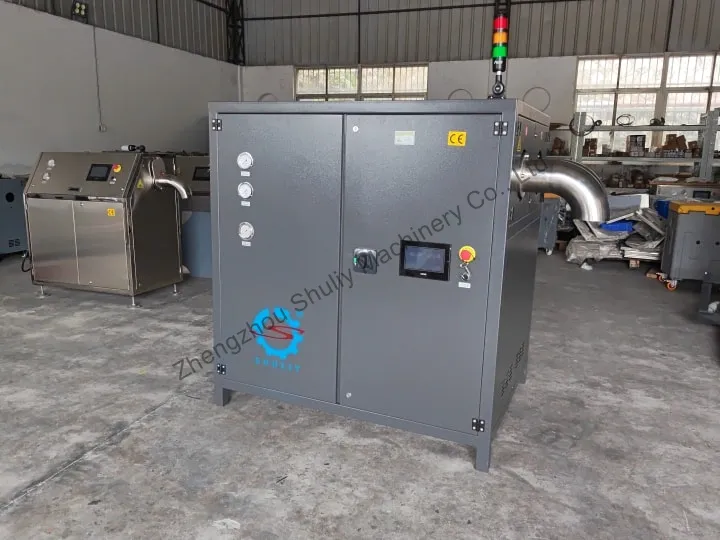
A dry ice pelletizer machine’s rated capacity indicates its designed production capability under specified conditions. Actual output may differ because of raw material supply, operating settings, equipment condition, and production interruptions.
A machine with a higher rated capacity does not automatically deliver better results if the upstream CO₂ supply cannot meet its requirements or the production process involves frequent stoppages.
- When evaluating production efficiency, consider three measurements:
- Rated capacity: The manufacturer’s stated output under specified conditions.
- Actual output: The quantity of dry ice pellets produced during a defined operating period.
- Usable output: The amount of pellets that meet the required quality and size specifications.
Comparing these figures provides a more realistic picture of production performance than relying on rated capacity alone.
Equipment condition and routine maintenance
Wear, loose connections, blocked passages, and faults in the feeding or compression system can affect production stability. Delayed maintenance may also increase downtime and make output less predictable.
Regular inspections help identify problems before they cause extended interruptions. Operators should follow the manufacturer’s maintenance schedule, inspect key components, and check for abnormal noise, vibration, or changes in operating performance.
Maintenance should be carried out according to the machine’s design and safety procedures. Because dry ice production involves cryogenic temperatures and pressurized CO₂, operators should not adjust or dismantle pressurized components without proper training and isolation procedures.
Operator experience and production planning
Even a well-configured dry ice pellet machine needs appropriate operation. Incorrect settings, inconsistent feeding, or delayed responses to abnormal conditions can reduce production efficiency.
Trained operators can monitor production changes, follow recommended procedures, and identify potential issues early. Clear operating instructions also make it easier to maintain consistent results across different shifts.
How can you improve dry ice pellet production efficiency?
Improving dry ice pellet production efficiency requires a stable CO₂ supply, suitable machine settings, and well-organized production. Several practical measures can help increase usable output and maintain consistent pellet quality.
- Maintain a stable CO₂ supply
- Choose the right pellet size
- Optimize machine operation
- Schedule preventive maintenance
- Improve production planning
Contact Shuliy for dry ice pellet production solution
The right dry ice pellet making machine is also essential for maintaining stable dry ice pellet production. Shuliy provides dry ice pelletizers for different production requirements, helping customers select suitable configurations based on target capacity and pellet size.
If you are planning to improve your production process or expand output, contact Shuliy to discuss your dry ice production needs and find a suitable machine for your business.